
Our UX Research Approach
A great digital product starts with the right questions. Frank's UX research team guides every project with research to understand how users actually interact with digital products and to create clear, intuitive user experiences that serve business goals.
Through user interviews, usability testing, user journey mapping, and competitor benchmark studies, we uncover how people navigate digital platforms, what they need, and where they struggle. These insights clarify product strategy, strengthen user experience, and ground every design decision in measurable evidence.
UX research lets us move from assumptions to evidence. By turning findings into structured insights, we build digital products that meet user expectations, reduce friction, and perform better across all digital touchpoints.
For us, UX research is a guiding force. Every digital product project starts with a deep understanding of users and a better user experience design.
Why Does UX Research Matter?
UX research turns uncertainty into clarity. Without it, digital product design relies on assumptions; with it, we build digital products that reflect real user needs, fit real contexts, and perform better over time.
UX research helps teams understand what users expect, where they struggle, and which features actually drive conversion. This way, every design and digital product decision is grounded in user data rather than guesswork.
Whether you are building a new digital product from scratch or improving an existing one, UX research keeps the process focused, human-centered, and strategic. It reduces development risk, strengthens usability, and clears the way for digital experiences that are easier to adopt, use, and scale.
Our UX Research Methods
Contextual Inquiry
Observing users in their own environment to understand workflows, constraints, and natural behavior in real context.
Heuristic Evaluation
Expert review based on usability principles, led by Nielsen's heuristics, to quickly surface issues in your digital product.
Competitor Analysis
Analyzing competitors to surface industry standards, opportunities, and gaps in the market, and identifying the strategic spaces where your brand can stand out.
Information Architecture Analysis
Evaluating content structure and shaping an information architecture that improves navigation flow and findability.
Card Sorting Exercises
Card sorting exercises run together with users to uncover the most intuitive content structure and labeling system.
A/B Testing
Comparing different versions of features, layouts, or user flows through A/B testing to validate design decisions with measurable data.
Task Analysis
Breaking down user tasks step by step to clearly surface friction points and inefficiencies in your digital product.
Accessibility Assessment
Reviewing digital products against WCAG and international accessibility standards to deliver inclusive experiences that everyone can use with ease.
Concept Testing
Testing early ideas, sketches, and wireframes with users before the design process begins to validate that the product is moving in the right direction.
Prototype Testing
Testing low and high-fidelity prototypes with real users to improve usability and user flow early in the product development process.
Analytics Review
Analyzing user data from analytics tools like Google Analytics, Mixpanel, and Hotjar to surface behavior patterns, drop-off points, and conversion opportunities.
Surveys for Quantitative Validation
Collecting quantitative data through large-scale user surveys to support qualitative insights and statistically validate patterns.
More Projects
Explore more work we have crafted for leading brands.
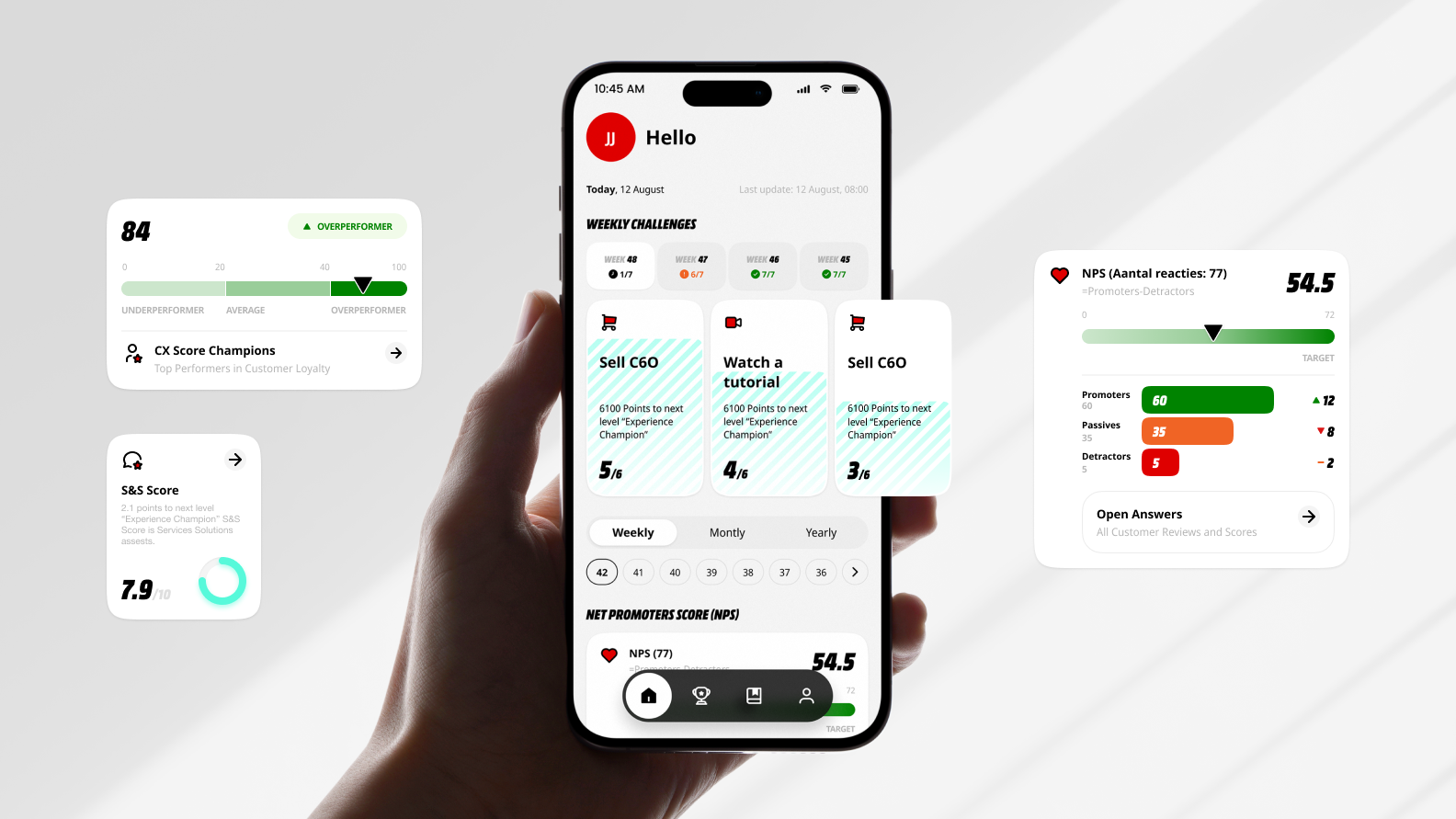
MediaMarkt Champions Digital Experience
The platform is designed to motivate, engage, and support employees in delivering exceptional customer experiences.
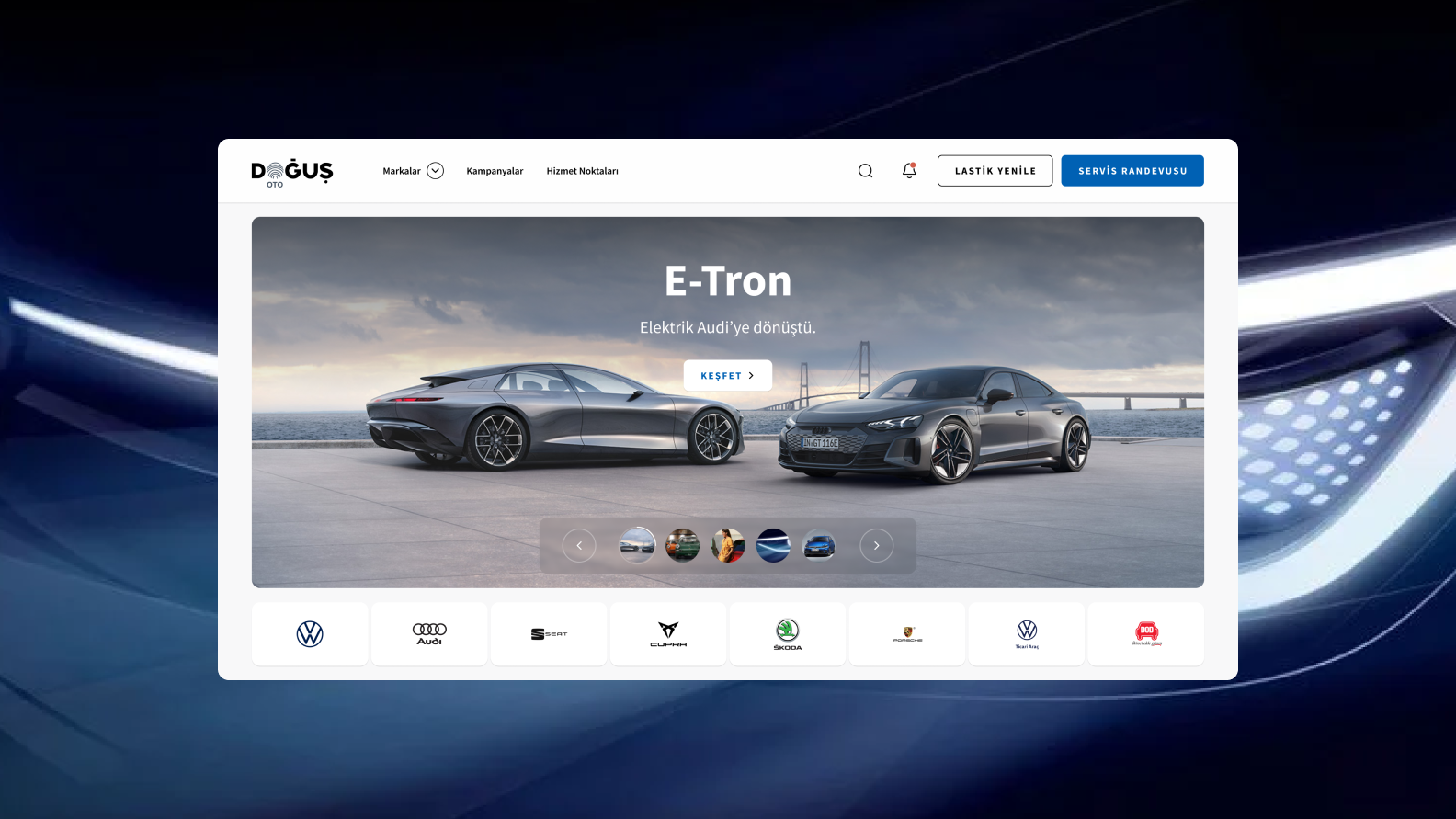
Dogus Oto Corporate Web Site
Frank redesigned Doğuş Oto's corporate website to simplify the customer journey and strengthen the brand's digital experience.
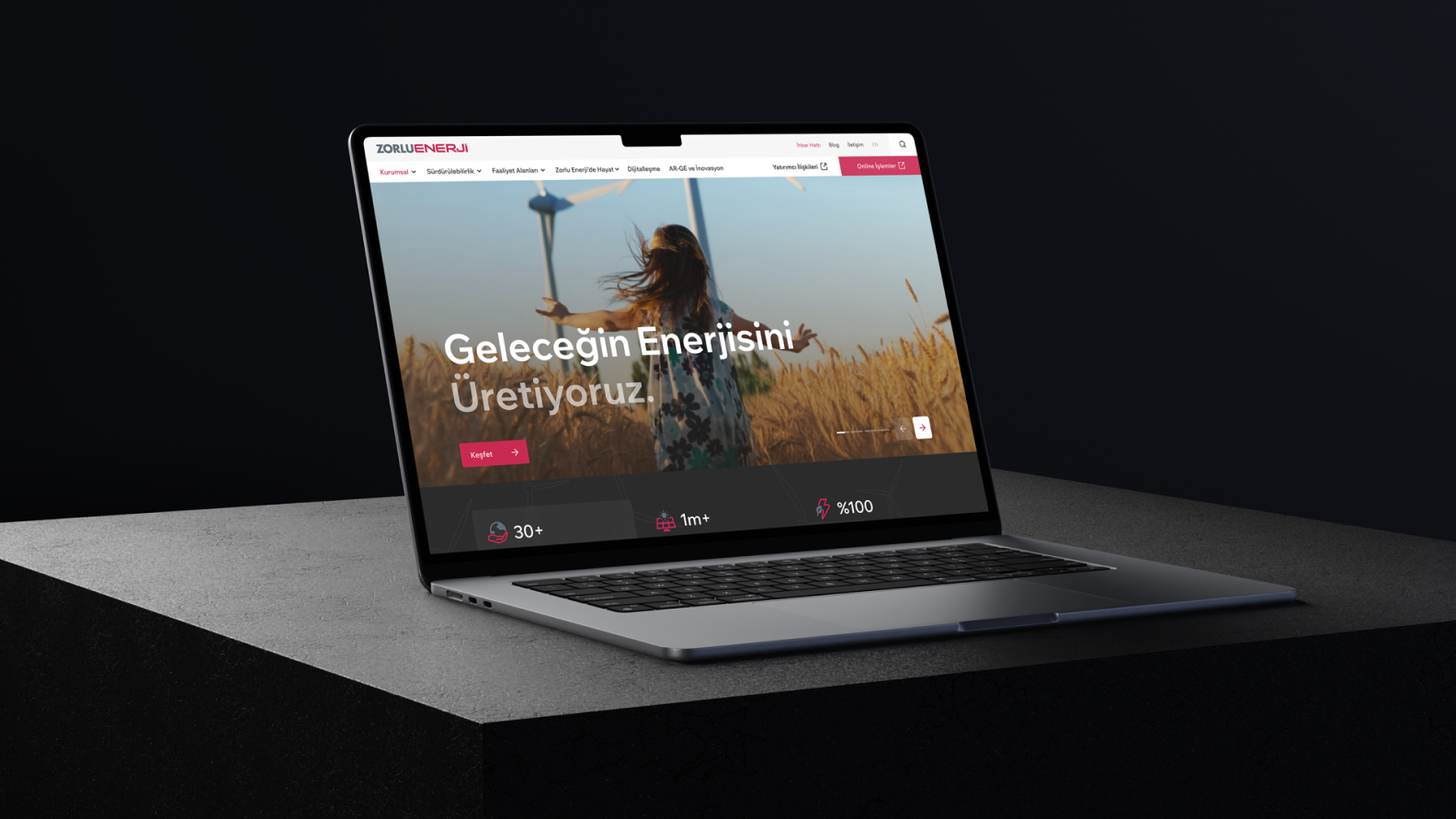
Zorlu Energy Corporate Web Site
Frank redesigned Zorlu Energy's corporate website to simplify access to services and strengthen the brand's digital presence.
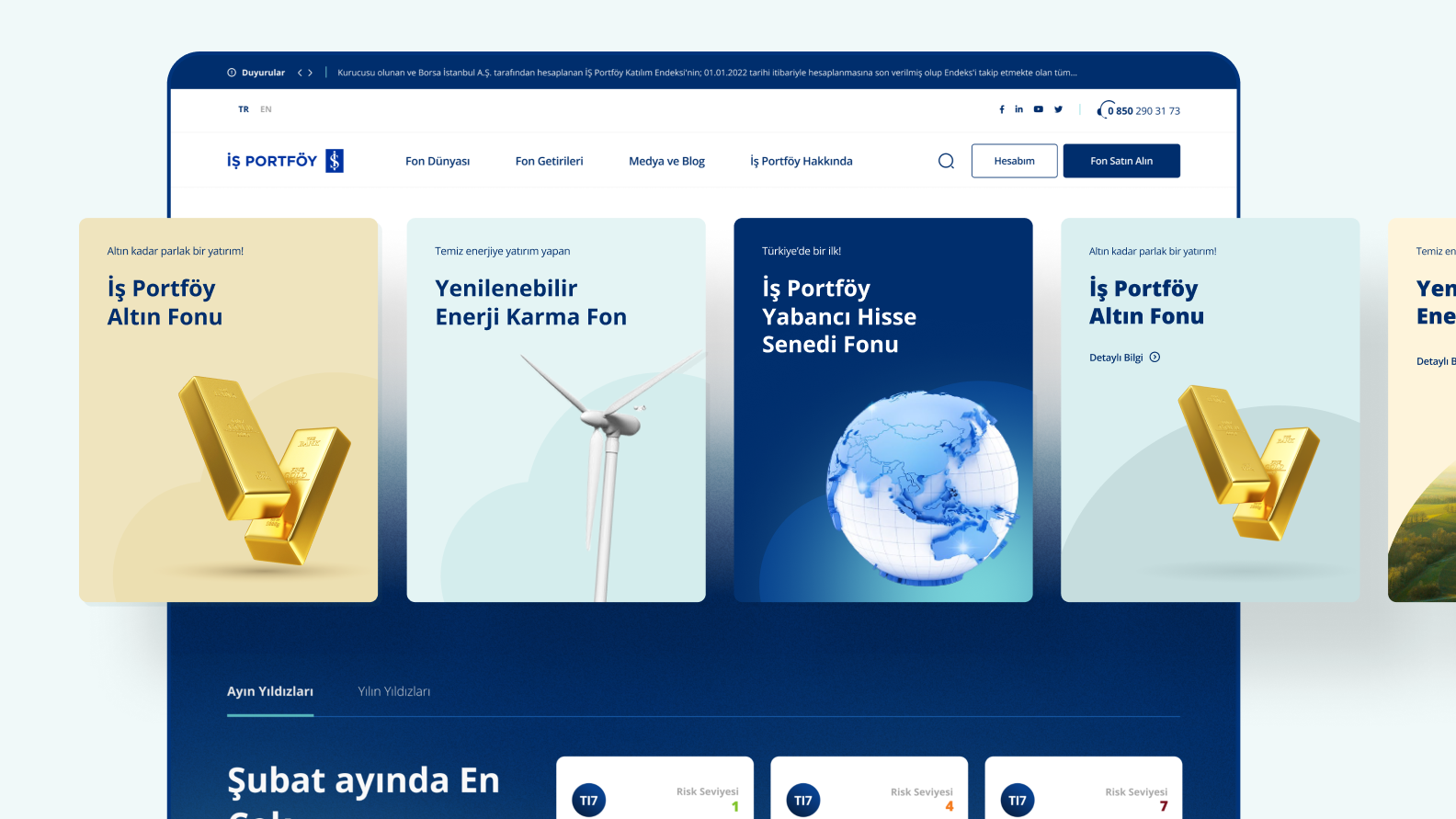
Is Asset Management Digital Platform
We built a data-driven asset management platform—combining UX design, CMS, and custom data integrations for real-time fund tracking.
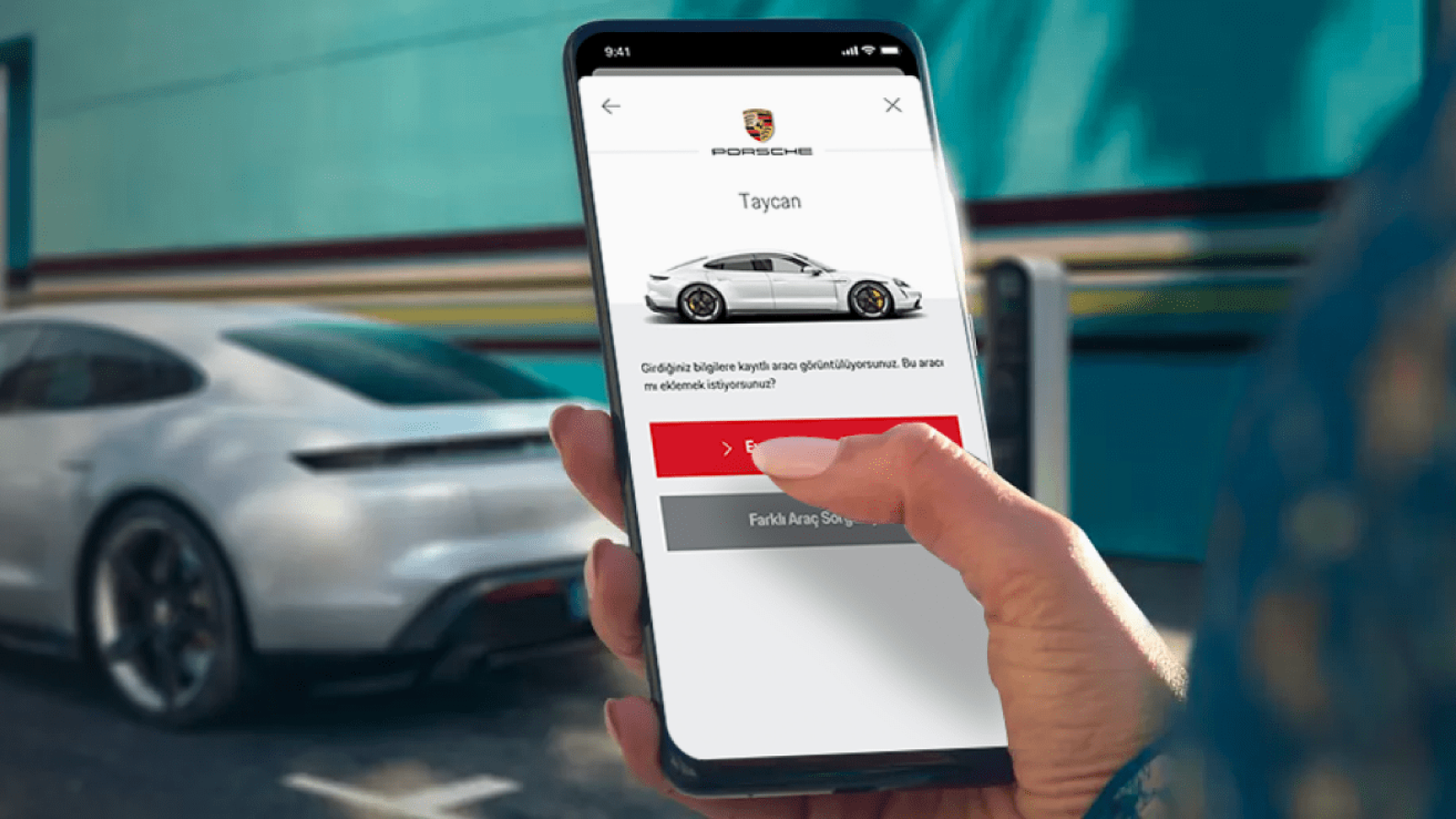
Porsche Mobile Application Digital Experience
Frank redesigned the Porsche Turkiye mobile app with a refined interface for brand enthusiasts, making privileges and EV charging more accessible.
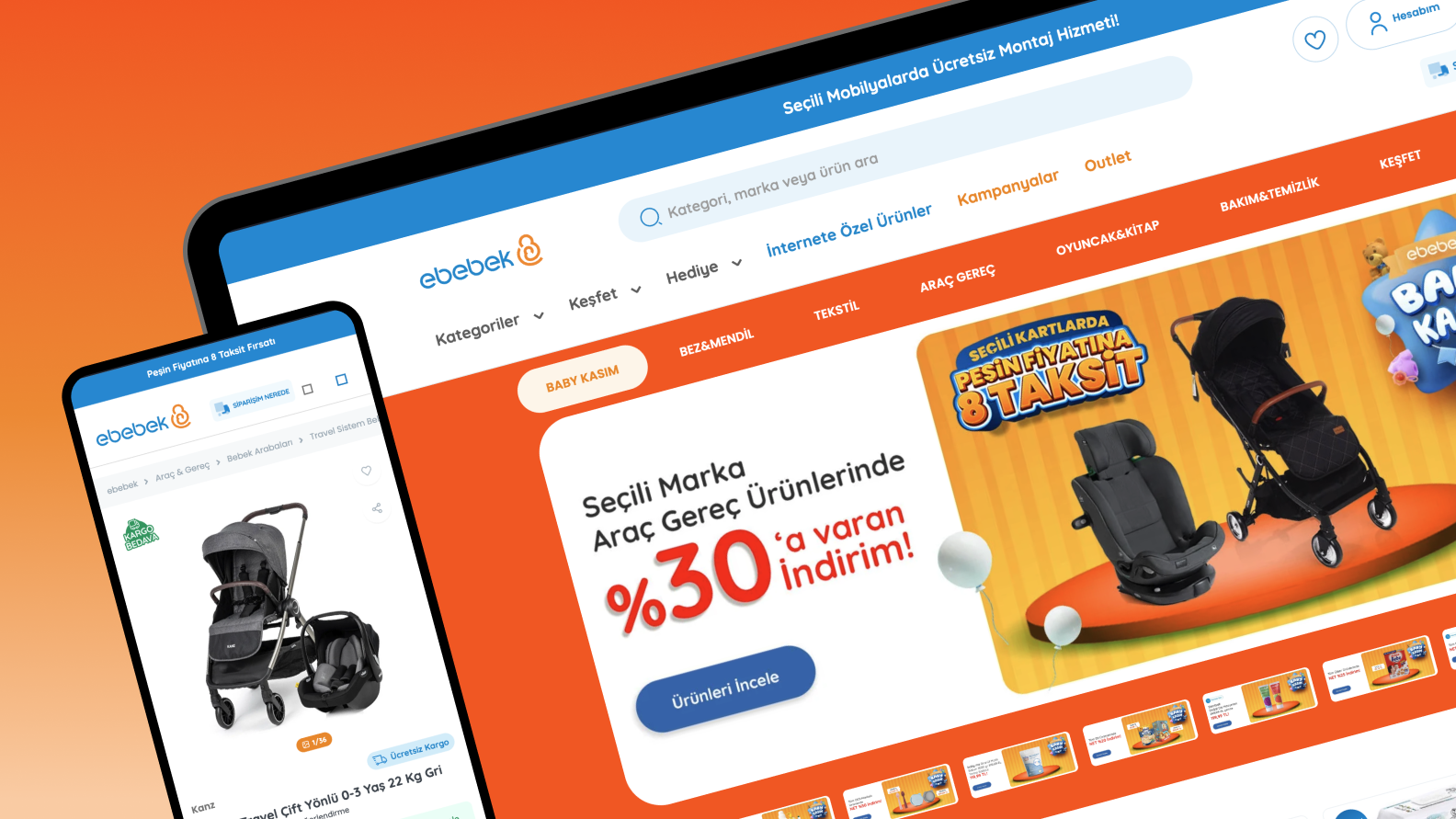
Ebebek Digital Experience
We redesigned and developed responsive e-commerce interfaces, delivering a smooth shopping experience optimized for parents.
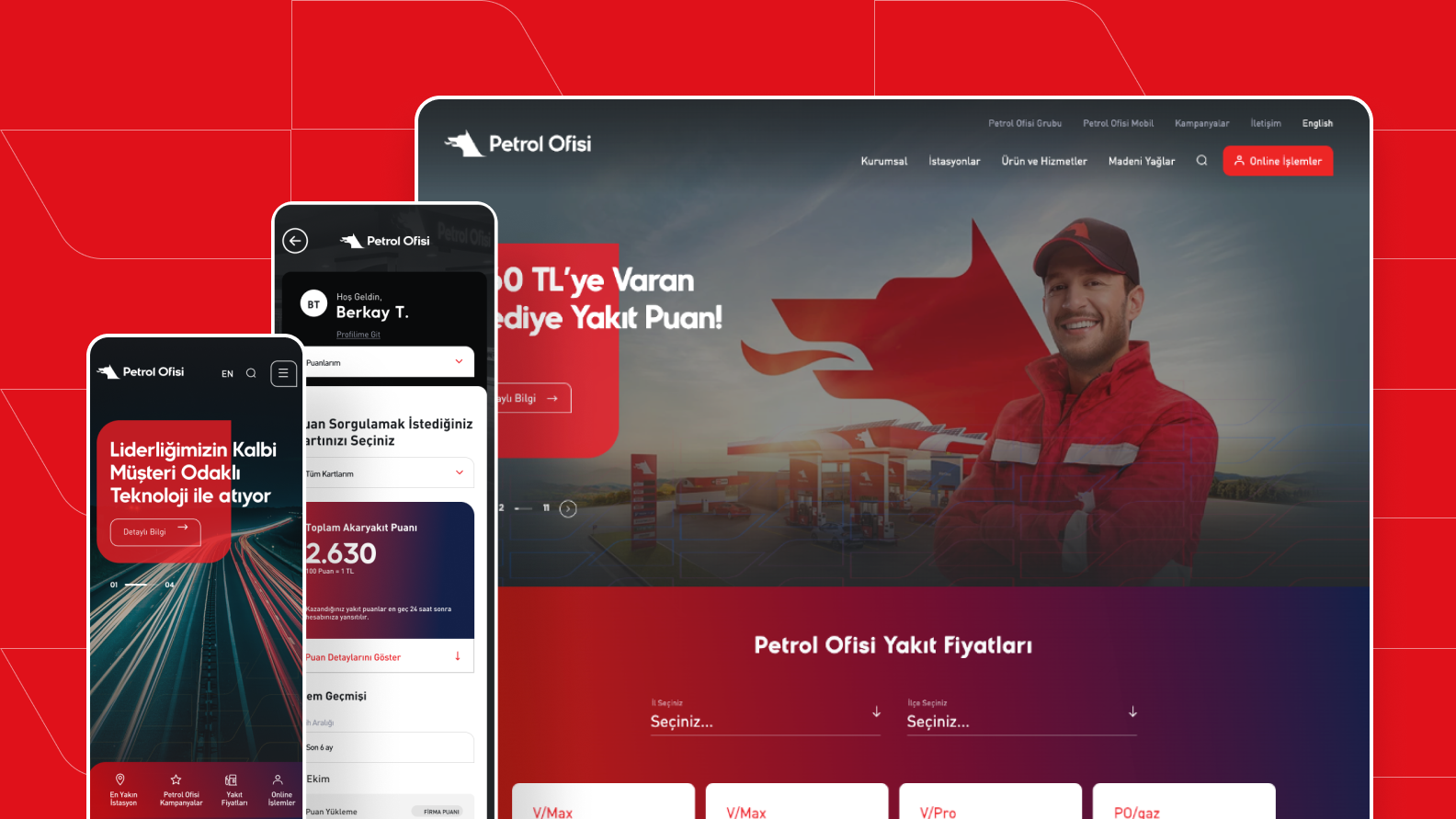
Petrol Ofisi Corporate Website
Frank redefined Petrol Ofisi's digital presence with a robust, user-centered website built for performance and growth.
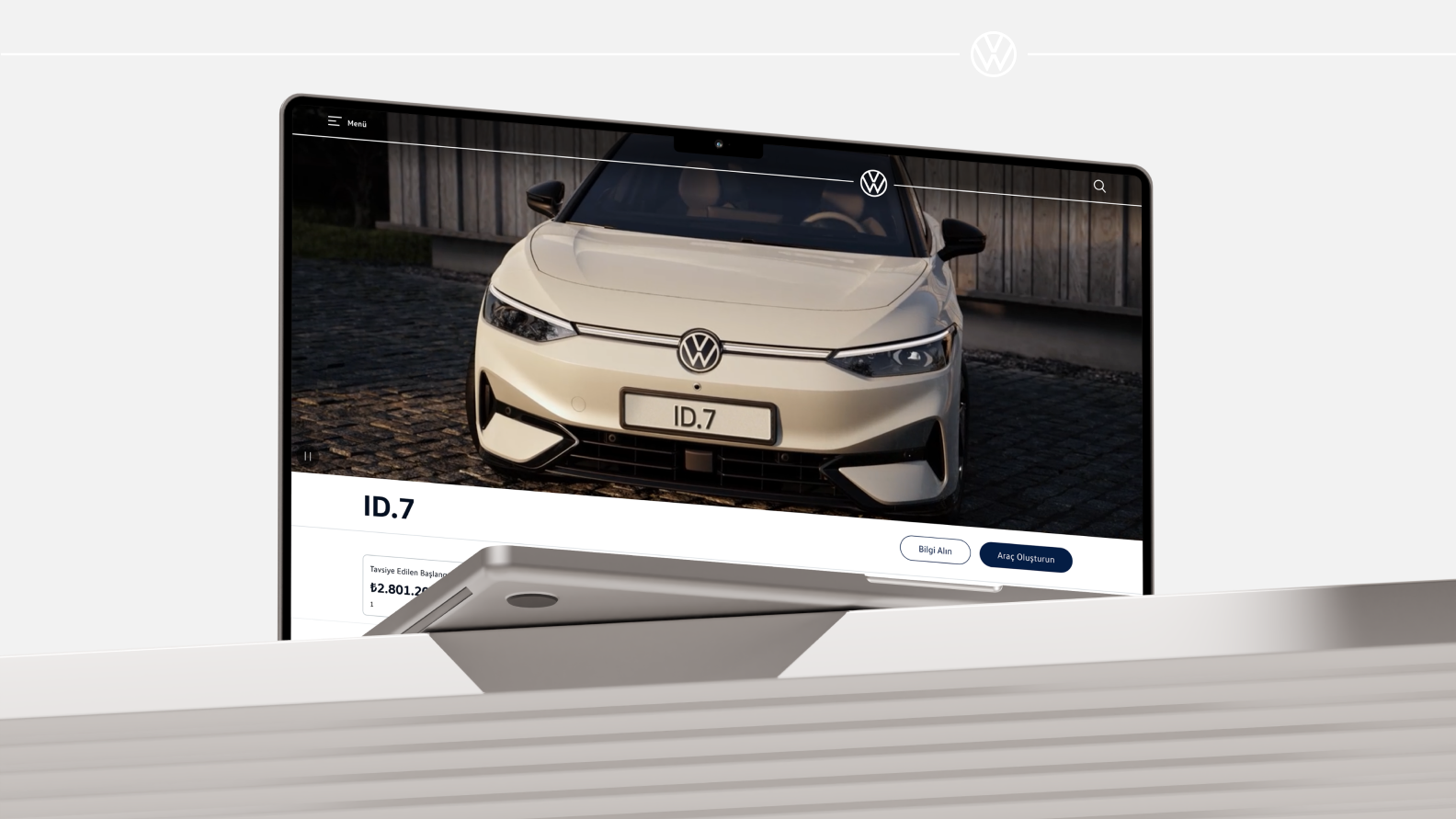
Volkswagen Turkey Corporate Website
Frank designed the Volkswagen Passenger Cars website for Turkiye, a clear and user-focused platform for exploring models and brand services.